So, What Exactly Are Altcoins?
Ever felt FOMO when Twitter says “altcoins are going to the moon🚀🚀🚀,” and you’re sitting there wondering, what even is an altcoin? Basically, any cryptocurrency that isn’t Bitcoin. But not everything is so clear.
Altcoins exist because Bitcoin, while revolutionary, has limitations: slower transactions, high fees during congestion, and a lack of programmability. So developers built alternatives. Some focus on speed. Others on smart contracts. Others, including those concerned with privacy or community energy. Let’s walk you through what altcoins really are, why people trade them, and how you can approach altcoin trading so it doesn’t feel like gambling.
Hash Hedge funds skilled traders, giving you access to professional tools, real liquidity insights, and 160+ crypto pairs to test your strategy safely.
Stop risking your funds & learn more about trading with Hash Hedge.
What Makes Altcoins Different from Bitcoin
Bitcoin started all this. It’s often called digital gold: store of value, relatively simple, robust. Altcoins, by contrast, are often experiments. Some improve on Bitcoin’s speed or cost. Others try to introduce new features like DeFi protocols or governance via tokens.
Take Ethereum: its programmability unleashed dApps and NFTs. Or stablecoins: they try to stay pegged to fiat, giving a different kind of reliability (or at least aiming for it). Meanwhile meme-coins? They ride the emotional waves of community and hype more than fundamentals.
What matters is that altcoins aren’t monoliths. Their value drivers vary wildly. For one project, it’s tech. For another, it’s the community, narrative, or even regulatory clarity. And that makes altcoin market analysis both exciting and dangerous.
Why Community Use and Trade Altcoins
Picture this: You buy an altcoin after hearing a rumor, it pops 200% in a week. Feels amazing. But then, no one talks about it. Price crashes. You’re left staring at charts, wondering when to sell. Sound familiar?
That’s the upside and the trap. Volatility can bring insane gains, especially compared to Bitcoin. New features, emerging sectors (DeFi, gaming, AI), or just sheer community hype can catapult value overnight. But volatility also means losses. Projects may not deliver; sometimes, what looked promising is just noise or overpromise.
How Altcoins Work
At the heart of every altcoin lies a blockchain — a public digital ledger that keeps track of who owns what. But the way each coin manages this can vary wildly.
Altcoins are digital economies with their own rules. Some reward users for staking, some for governance, some just for being early. Their tokenomics (the logic behind supply, rewards, and inflation) is what separates promising projects from short-lived hype.
Bitcoin uses the Proof of Work (PoW) principle — powerful computers compete to solve puzzles and confirm transactions. It’s secure but energy-hungry. Altcoins like Ethereum (after its Merge) switched to Proof of Stake (PoS), where holders “stake” coins to validate transactions, reducing energy costs and increasing speed. Others like Solana or Avalanche use hybrid or customized systems designed for scale.
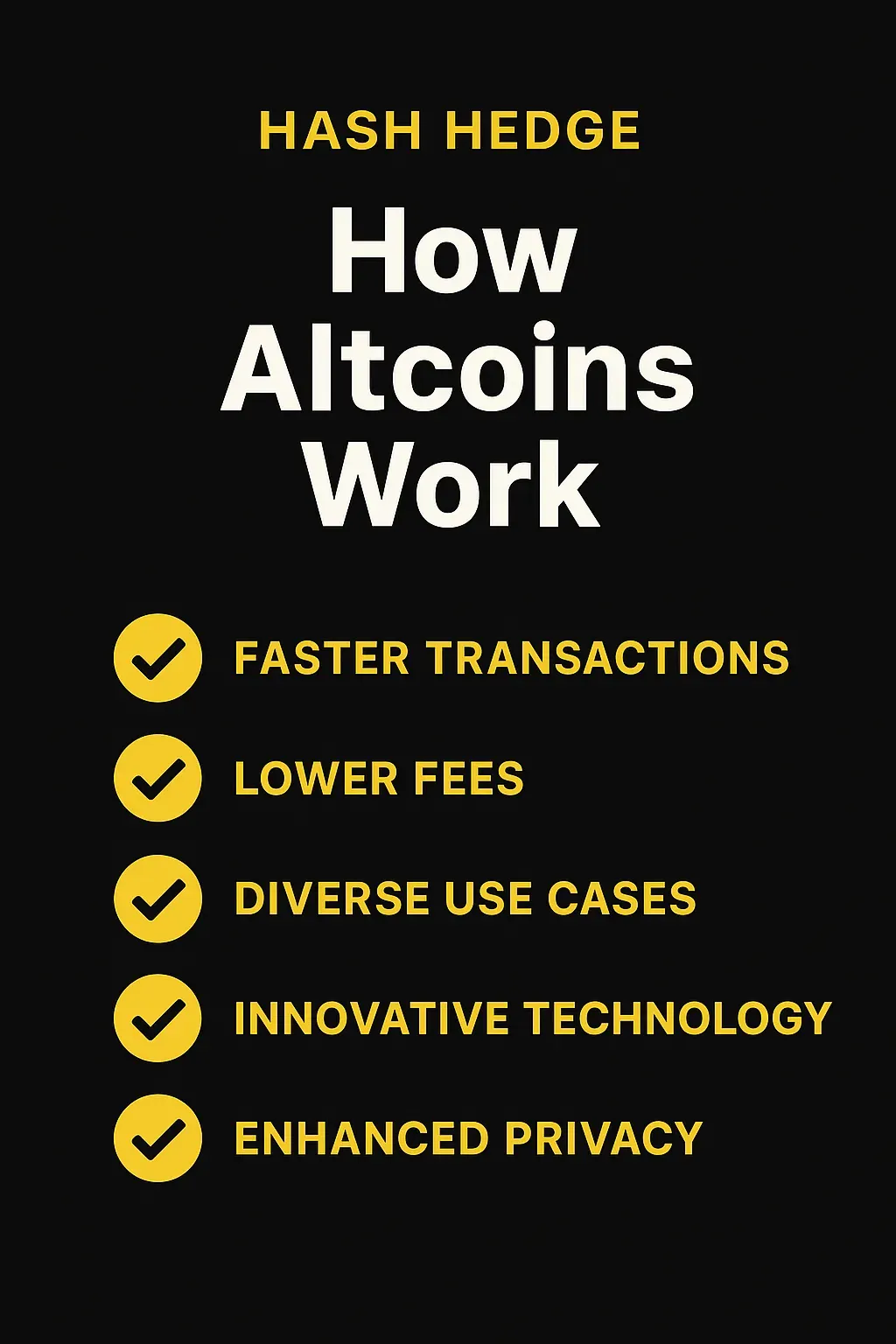
Compared to Bitcoin, many altcoins aim to offer:
- Faster transactions.
- Lower fees.
- Diverse use cases.
- Innovative technology.
- Enhanced privacy.
Understanding how a token earns and maintains value is key. If supply inflates endlessly, demand can’t keep up. If staking rewards are too high, they can drain long-term growth. Smart altcoin market analysis starts right here from the whitepaper.
The Allure and Danger of Altcoin Trading
People trade altcoins for one main reason: volatility. That volatility creates opportunities and heartbreaks. Short-term traders (scalpers, day traders) love altcoins because price swings mean quick profits, if they’re on the right side of the move. Long-term investors look for fundamental value: active development, adoption, partnerships, or strong tokenomics.
But every opportunity comes with a catch:
- Thin liquidity can cause wild price gaps.
- Sudden exchange delistings can freeze your position.
- Pump and dump groups still exist, and even experienced traders fall for them.
That’s why tools like stop-loss orders and position sizing matter. Learn more about risk management with Hash Hedge.
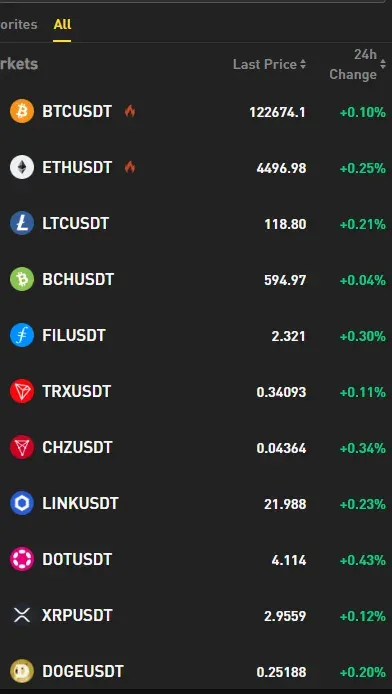
What Drives Altcoin Prices
Altcoin prices react to Bitcoin and these reasons:
- Technology updates (like Ethereum’s network upgrades).
- Market narratives (AI coins, gaming, or layer-2 solutions).
- Community hype and influencer sentiment.
- Regulatory shifts and exchange listings.
E.g., Solana’s price spiked when developers migrated from Ethereum due to fees. Ripple (XRP) jumped after winning a key U.S. court case. On the flip side, new regulations or exchange bans can send prices tumbling overnight.
Smart traders combine technical analysis (charts, indicators) with fundamental research (team, roadmap, tokenomics). Hype can start a rally, but fundamentals decide who survives the bear market.
| Type | Core Purpose | Notable Examples | Distinctive Traits |
|---|---|---|---|
| Meme Coins | Built around humor, trends, and community hype | DOGE, BONK, FLOKI | Highly volatile, community-driven, and often launched as social experiments |
| Stablecoins | Preserve value and enable seamless crypto-fiat transactions | USDT, USDC, TUSD | Pegged to fiat or assets designed to minimize price swings and simplify on-chain payments |
| Utility Tokens | Enable operations within blockchain ecosystems | ETH, AVAX, NEAR | Power dApps, pay gas fees, unlock in-app features, or incentivize network activity |
| Governance Tokens | Distribute decision-making among protocol users | UNI, COMP, ARB | Let holders propose and vote on upgrades, treasury use, or protocol direction |
| Digital Currencies | Function as decentralized money for direct transfers | BTC, LTC, XMR | Prioritize peer-to-peer payments, security, and independence from intermediaries |
When and Where to Trade Altcoins
Altcoins trade 24/7. There are no closing bells, no weekends off, as it is on stock markets. That sounds great, but it also means you can’t watch the charts all the time. So automation helps: limit orders, alerts, and stop-losses keep emotions in check.
You’ll find altcoins on crypto exchanges like Binance, Coinbase, or OKX, or you can trade them through brokers offering CFDs (contracts for difference). CFDs don’t give you the coin itself, but they let you speculate on altcoin price movements. If you are looking for the best crypto prop platform, try Hash Hedge.
Here’s the difference:
- Spot trading means you own the asset.
- CFD trading means you trade on the price.
Both have their place. Spot trading is simpler, great for long-term holders. CFDs suit traders looking for flexibility and leverage.
Risk vs. Reward: Staying Sane in Volatile Markets
Trading altcoins is about managing chaos. You’ll hear people talk about “diamond hands” and “HODLing,” but the truth is, no one can outstare volatility forever. The best traders just follow the same rules:
- Keep positions small.
- Don’t chase pumps.
- Always know your exit.
Final Thoughts
Altcoins are the playground of speculation. They’ve given us DeFi, NFTs, DAO governance, and thousands of experiments that push blockchain forward. But they’ve also left behind countless failed projects and burned investors. Trading altcoins in 2025 means balancing curiosity with caution. Learn how each token works, stay skeptical of hype, and remember: in crypto, education is your best hedge. Hash Hedge gives you that edge.
Analyze 160+ crypto pairs in real time, spot liquidity shifts before they hit, and trade without hidden fees.
Turn your strategy into profit — start trading with Hash Hedge today.