What Stop-Loss and Take-Profit Actually Mean
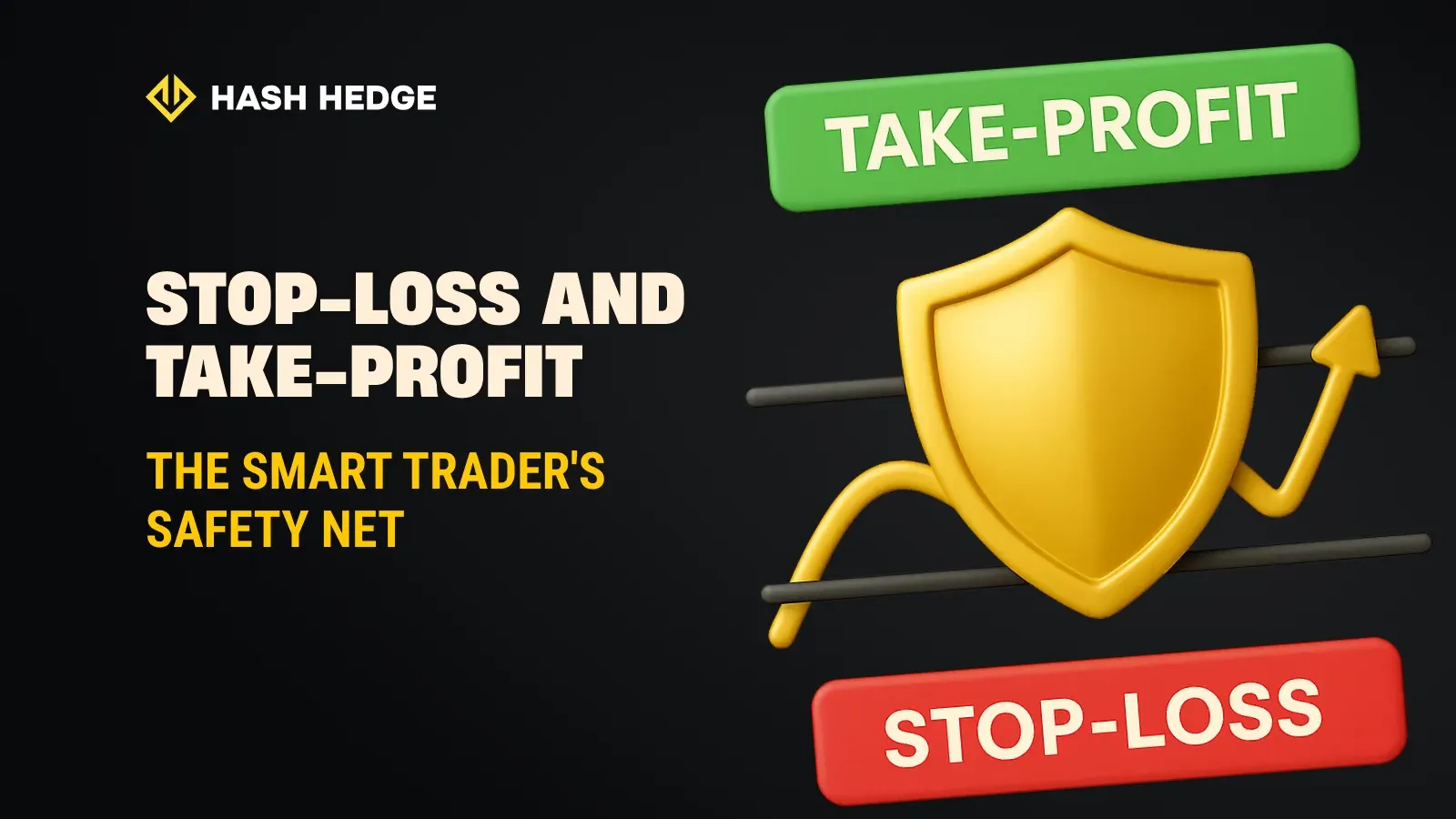
Let’s keep it simple. A stop-loss is a preset order that automatically closes your trade when the price moves against you. It’s your protection from “I’ll just wait a bit longer” moments.
A take-profit, on the other hand, closes your position when the price hits your target. It locks in your gains before the market decides to reverse them.
Together, these two orders define both sides of your trade — how much you’re willing to risk, and how much you aim to make. Think of them as the frame around your strategy.
Let’s delve a bit deeper into what these tools do and how to maximize their benefits.
The Main Problems of Trading — Discipline and FOMO
According to Binance Academy data review, over 70% of retail traders admit to breaking their own trading rules at least once a week. Because the market tests your patience in ways textbooks never mention. You can have the perfect setup, but when price moves against you for five minutes, emotions start whispering: “Maybe I should close early…” or worse, “I’ll just add a little more to fix it.” That’s how good ideas turn into panic trades.
Then there’s FOMO (fear of missing out). Studies show that traders are 40% more likely to enter positions impulsively during high-volatility events, even without a clear plan. It’s dopamine. You see a green candle flying, and suddenly you’re buying the top just to “be part of it.”
The truth is, most traders lose because they can’t manage themselves. Discipline and FOMO are the invisible forces shaping every decision you make behind the screen.
Stop-Loss: Why You Need It
The mistake beginners make? Setting stops too tight. The market is active. A few small pullbacks don’t mean the trend’s over. If your stop is hugging the current price, normal noise will kick you out before the move even starts. One flash crash or liquidation wick, and your “long-term conviction” becomes a memory.
Here’s a rule of thumb:
- Place stops based on your strategy, forget about emotions.
- Don’t park orders exactly where everyone else does.
- Use volatility indicators like the ATR.
Want to trade smarter and learn more about Stop-Loss and Take-Profit orders? With Hash Hedge, you get a professional terminal featuring 160+ crypto pairs (from BTC to PEPE) and 5x leverage — built to help you turn even sideways markets into profit opportunities.
Take-Profit: Why You Need It
Now, let’s talk about the other side — knowing when enough.
It’s easy to think “I’ll just wait for one more candle.” But greed has ruined more traders than bad analysis ever did. Sometimes it means leaving a bit of profit on the table. That’s fine. Nobody catches the exact top or bottom — except in hindsight. What matters is consistency.
Try this:
- Scale out in parts — take 50% at your first target, trail the rest.
- Use alerts or conditional orders so you’re not glued to the screen.
- Let logic exit, don’t follow your FOMO & adrenaline.
Risk vs Reward in Trading. How to Balance It?
Every influencer talks about “good risk management,” but few actually apply it. According to our data, over 80% of retail traders risk more than they plan to earn on a single position. In other words, they’re betting $200 to make $100 — a setup that mathematically fails over time. Professional traders flip that ratio. They aim for at least a 1:2 or 1:3 risk-to-reward, meaning every loss is covered by two or three wins of equal size.
Think of it like casino math — except this time, you’re the house. If you risk $100 and aim for $300, you can be wrong 6 out of 10 times and still walk away profitable. But most traders do the opposite: they take small wins and let losses spiral. Define your stop before you click “Buy,” calculate your target based on logic.
Tools That Make It Easier
You don’t have to do this all manually. A clear chart layout, precise alerts, and smart order management can turn emotional decisions into planned actions. You start seeing risk and reward as numbers you control. A professional terminal helps you visualize stops and targets right on your chart, track open positions in real time, and keep your head clear when volatility spikes.
Want to plan trades and manage risk without overcomplicating things? With Hash Hedge, you get a professional trading terminal featuring 160+ crypto pairs, customization, and alerts — so you can automate stops, monitor profits, and focus on the trades that matter.
Are Stop-Loss and Take-Profit Must-Haves for Every Trade?
Here’s the paradox: the stricter your system, the freer you trade. When you know your stop and your target, you’re not glued to the screen. You’re not checking your phone every ten minutes. You can breathe.
The answer: absolutely — stop-loss and take-profit levels are must-haves for every trade. They create structure, protect your capital, and remove emotional noise from decision-making.